
Tips for Choosing Comfortable Home Lighting for Every Room
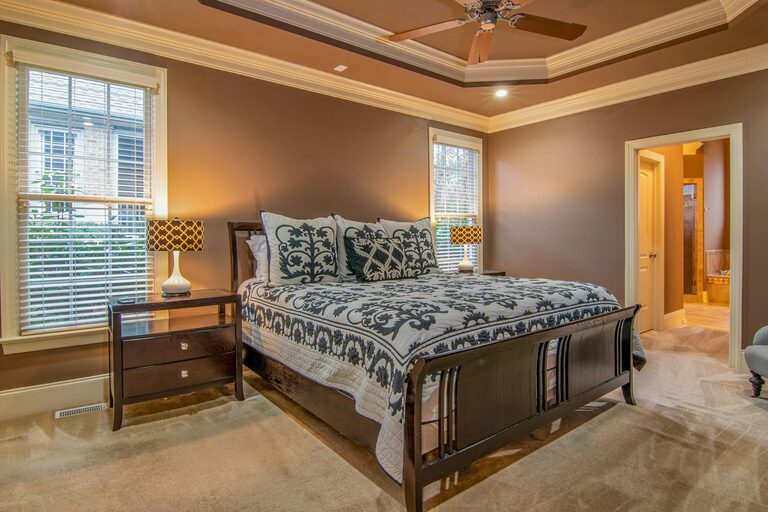
Creating a comfortable and inviting atmosphere at home often starts with the right lighting. Whether you’re reading, relaxing, cooking, or working, proper lighting can make a big difference in how a space feels and functions. Choosing the best lighting for comfort can seem tricky with so many options available, but with some guidance, you can easily find solutions that suit your needs and style.
In this post, we’ll explore essential tips to help you pick comfortable home lighting for every room. From understanding light types to layering your light sources, these ideas will help you create a cozy and practical environment.
Understanding the Basics of Comfortable Lighting
Before diving into specific tips, it’s helpful to know some basics:
– Color Temperature: Measured in Kelvins (K), color temperature influences the mood of your space. Warm light (2700K–3000K) feels cozy and relaxing, while cool light (4000K–5000K) is brighter and better for activities that require focus.
– Brightness: Measured in lumens, brightness affects how well your space is lit. Too much light can cause glare, while too little can lead to eye strain.
– Light Direction: Where light shines matters. Direct lighting is focused and good for tasks, while indirect lighting spreads softly to create ambiance.
With these concepts in mind, let’s look at practical approaches to choosing comfortable lighting at home.
1. Consider the Purpose of Each Room
Every room has a primary function, and lighting should complement that purpose.
Living Room and Bedrooms
These are spaces for relaxation. Opt for warm, soft lighting that enhances comfort. Use dimmable bulbs or fixtures so you can adjust the brightness depending on the time of day or activity.
Kitchen and Bathrooms
Tasks requiring attention to detail happen here, such as cooking or grooming. Choose brighter, cooler lighting to improve visibility. Under-cabinet lights in kitchens or vanity lights near mirrors in bathrooms are practical additions.
Home Office or Study Areas
For productivity, cool white lighting (around 4000K) helps reduce eye strain and keep you alert. Position task lighting directly over your desk with adjustable lamps.
2. Layer Your Lighting
Instead of relying on a single light source, combine different types of lighting to create depth and flexibility:
– Ambient Lighting: The primary general light that fills the room. Ceiling-mounted fixtures, chandeliers, or recessed lights work well.
– Task Lighting: Focused light for specific activities like reading, cooking, or working. Desk lamps, pendant lights over kitchen islands, or reading lamps are common.
– Accent Lighting: Highlights features such as artwork, plants, or architectural details. Use spotlights or wall-mounted fixtures for this purpose.
Layering allows you to adjust lighting according to different moods and needs, improving comfort and functionality.
3. Choose the Right Bulbs
The type of bulb affects quality of light, energy use, and lifespan.
– LED Bulbs: Energy-efficient, long-lasting, and available in multiple color temperatures. LED bulbs produce less heat, making them safer and more comfortable.
– CFL Bulbs: More efficient than traditional incandescent but slower to reach full brightness.
– Incandescent Bulbs: Produce warm light but consume more energy and have shorter life spans.
When selecting bulbs, look for those labeled as “soft white” or indicating a warm color temperature for cozy areas, and “daylight” or “bright white” for task-focused spaces.
4. Use Dimmers to Control Brightness
Installing dimmer switches gives you control over the light intensity, making your home lighting adaptable.
Benefits of dimmers include:
– Reduced eye strain by adjusting brightness to the time of day.
– Energy savings when you lower the light instead of turning it fully on.
– Creating ambiance by softening light for evening relaxation.
Make sure your chosen bulbs are compatible with dimmers, especially when using LEDs.
5. Mind the Placement and Glare
Comfort is affected not just by brightness but by how light interacts with your space and eyes.
– Avoid positioning lights directly in your line of sight to prevent glare.
– Use lampshades or frosted bulbs to diffuse harsh light.
– Position task lights so they illuminate your work area without casting shadows.
Thoughtful placement ensures your lighting is both functional and gentle on the eyes.
6. Match Lighting Style to Your Home Decor
Comfort also comes from an environment that feels cohesive and pleasant. Choose light fixtures that complement your décor style:
– Modern minimalist homes benefit from sleek, unobtrusive fixtures.
– Rustic or farmhouse styles pair well with warm-toned lamps and vintage bulbs.
– Eclectic interiors can mix bold lighting shapes and colors for character.
The aesthetics of your lighting add personality to your space while supporting comfort.
7. Use Natural Light Whenever Possible
Natural daylight is the most comfortable and beneficial light source. Maximize its use by:
– Keeping windows clean and unobstructed.
– Using light, airy curtains to diffuse sunlight without blocking it out.
– Positioning frequently used seating or work areas close to windows.
During the daytime, natural light reduces the need for artificial light and supports your wellbeing.
Final Thoughts
Choosing comfortable home lighting is a blend of understanding your space’s needs, selecting the right bulbs and fixtures, and adjusting brightness and color to fit different activities. By layering light sources, using dimmers, paying attention to placement, and considering decor style, you can create a welcoming atmosphere that makes every room feel just right.
Remember, lighting isn’t just functional—it also shapes how your home feels. Invest time in planning, and you’ll enjoy a more comfortable and beautiful living environment.
—
If you found these tips helpful, consider exploring lighting options in your favorite local stores or online. Small changes can make a big impact on comfort and ambiance!